



Storm overflows
Water 101: fighting sewage spills
Nobody wants sewage going into rivers and seas. How did we get here and what are water companies doing about it?
Why we have storm overflows
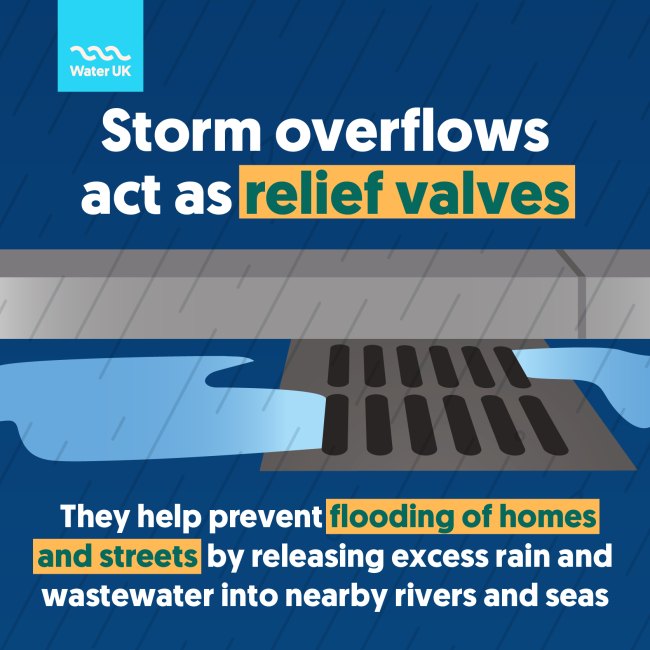
Thousands of kilometres of England’s sewer pipes combine rainwater with wastewater from homes and business in one pipe. This means that during heavy rainfall the sewers can become overwhelmed. Storm overflows are a design feature which alleviates the pressure on sewers by spilling into rivers or seas, stopping homes and businesses being flooded. Storm overflows aren’t unique to the UK, they are a common part of sewers all over the world.
However, with the pressures brought by climate change and population growth, these overflows are spilling more often than they were intended to and the system can struggle to cope. Which is why we have a plan to put it right.
Reducing spills
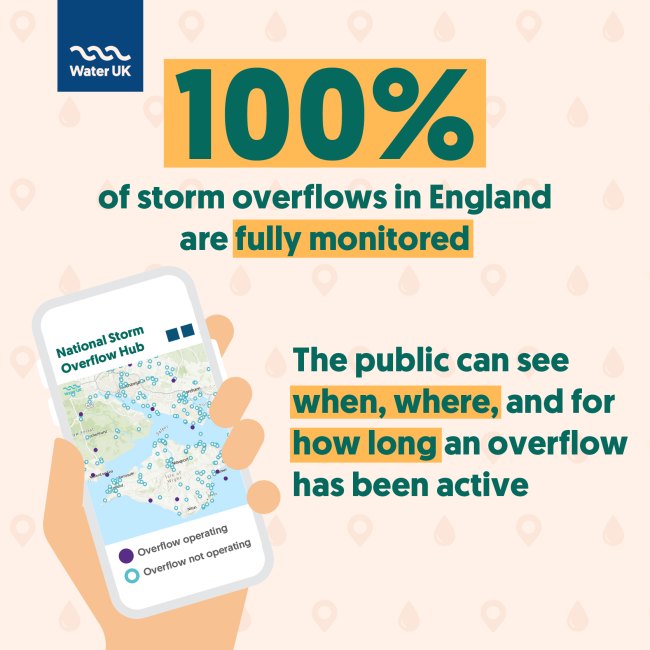
Three years ago we apologised for not doing enough to end sewage spills. The National Storm Overflows Plan for England was published the following year, setting out improvements to reduce spills. The plan was approved by the regulator in 2024. The National Storm Overflow Hub - an interactive map showing the operation of every storm overflow in England in near real-time – was published at the end of 2024.
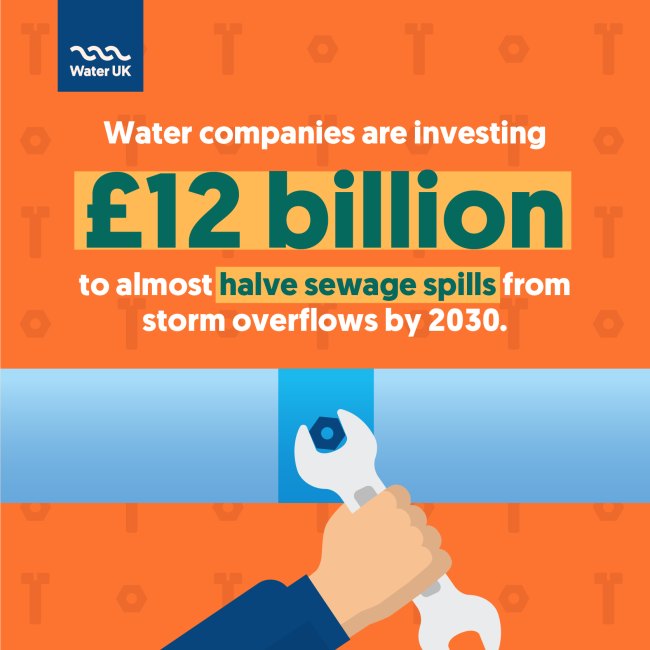
Water companies are now investing £12 billion by 2030 to almost halve storm overflow spills compared to 2021. This investment includes building thousands of massive storm tanks to hold rainwater and investing in nature-based solutions to stop rainwater getting into sewers in the first place.
In total, water companies are investing a record £104 billion between 2025-30 to help support economic growth, build more homes, secure our water supplies, and end sewage entering our rivers and seas.
The Environment Agency attributes 40% of water quality failures to agriculture and 36% to the water industry. In addition, 18% are caused by towns, cities and transport and 3% are caused by abandoned metal mines.
Monitoring
England and Wales are the only countries in the world to monitor 100% of their storm overflows and make the data available to the public. Our live map enables the public to see when, where and for how long a storm overflow has been active in near real time.
Permits
The Environment Agency regulates spills from sewer overflows permits, which set rules about when and how they can operate. Compliance with permits is very high at around 96%.
Permits are being tightened over time to reflect new, stronger standards. Where automatic monitoring or other data identifies a possible breach of a permit, the Environment Agency are notified and will investigate.
Read more

Investing to stop sewage spills
Water companies are investing £12 billion to almost halve spills from storm overflows by 2030.

Protecting rivers and coasts
Over the last 30 years, the water industry has invested £30 billion in the environment but more needs to be done

Waste water
What is involved in maintaining sewers and current issues the industry is facing