



Saving water
1.2bn
litres of extra water needed each day by 2025
138
litres used per person each day on average
43%
The industry has reduced leakage by since the 1990s
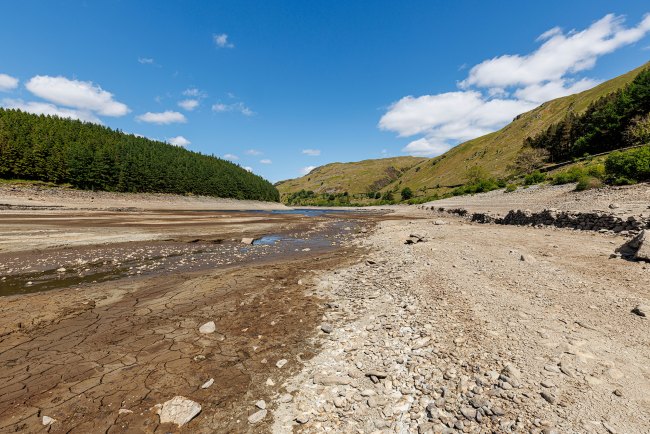
Climate change, increasing demand and population growth are challenging the country's water supplies.
2025 was the warmest and sunniest year since records began.
Water companies extensively plan and prepare for events like last year. The challenge was real with five areas of England officially in drought and six more in prolonged dry weather.
Evidence from recent years, combined with climate science, shows that these weather patterns are the result of climate change which is happening now and likely to result in more droughts in the future.
Will there be enough water in the future?
The UK has a relatively high level of rainfall, but the distribution of water across the country is not even, with some regions experiencing more water stress than others. It is predicted that by 2050 we will need 1.2 billion litres of extra water each day to meet increased demand.
What is being done?
Water companies are investing £104 billion to secure our long term water supplies. This includes:
- building 10 new reservoirs
- reducing 1 billion litres in leaks by 2030
- building new water transfer schemes
- installing water meters in homes and businesses
How customers can help
Customers can help reduce how much water they use. Approximately 25% of total leaks occur in homes. Each person uses 138 litres of water a day on average.
Many households are now being charged for their water usage based on meter readings rather than a flat rate. This puts people in control and allows them to make savings on their bills. Around 60% of households now have a water meter and this number is growing all the time.
A range of water-saving products are available such as aerated showerheads, dual-flush toilets, and water-efficient washing machines. These products can help households and businesses to reduce their water use.
Saving water at home
Saving water at home saves time, money and helps the environment. It's easy to start with our expert tips.
