


Views
One Year to Go: Upcoming Ban on Plastic Wet Wipes
Last year government announced a ban on plastic-containing wet wipes in England to come into force on 19th May 2027. Similar separate bans are coming into force in Wales (late 2026), Northern Ireland (May 2027) and Scotland (August 2027).
Wet wipes cost water companies around £200 million every year to remove from sewers. As campaigners have highlighted, proposals to ban plastic-containing wet wipes have been discussed for years and, while the ban is a welcome first step, more needs to be done.
We want to see:
- Mandatory “Do Not Flush” labelling introduced on all wet wipe products including for moist toilet tissue and similar alternatives.
- Ensure manufacturers - not customers - cover the costs of removing wet wipes from sewers.
- Fewer exemptions to the use of plastic-containing wet wipes which currently includes all pharmacies, care homes and hospitals who can still use and sell wet wipes. They should only be used in medical circumstances where there is no viable alternative.
- All wet wipes (including those used in the home) to be manufactured in a way to minimise the chances of blockages.
What about flushable wipes?
Despite claims on packaging, wet wipes are not biodegradable and can persist in the sewer network for long periods.
Even plastic-free “flushable” wipes, sometimes referred to as moist toilet tissue and which are not included in the ban, should not be flushed. These wipes are made from thick materials that take a long time to break down and can still block pipes.
Why are wet wipes a problem?
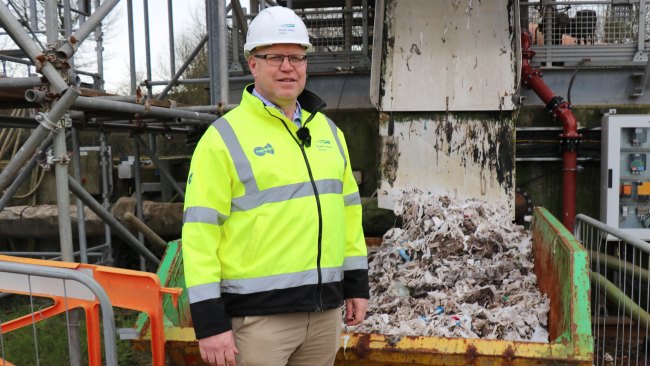
When flushed down the toilet, wet wipes contribute to blockages in the sewer network. These blockages can cause sewage to back up into homes, leading to flooding and property damage.
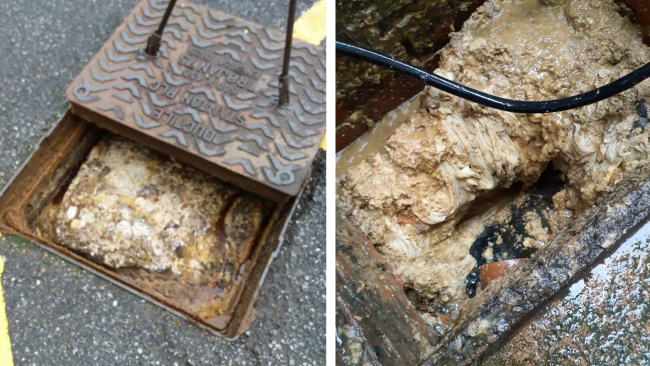
Each year, around 2.9 billion wet wipes are flushed down toilets, contributing to 94% of sewer blockages across the UK. They combine with fats, oils and grease to form large masses known as “fatbergs” which clog pipes, lead to blockages, and can cause internal flooding from water backing up into your home.
Even when broken down, flushed wipes can break down into microplastics, which pose a long-term threat to our rivers and seas.
Fighting fatbergs
In March 2026, a 500-metre fatberg, equivalent in size to around 600 suitcases laid end to end, was removed from sewers near Heathrow Airport. Thames Water engineers spent over two weeks breaking down the solid mass using specialist excavation tools, before clearing the remaining debris with high-pressure water jets.
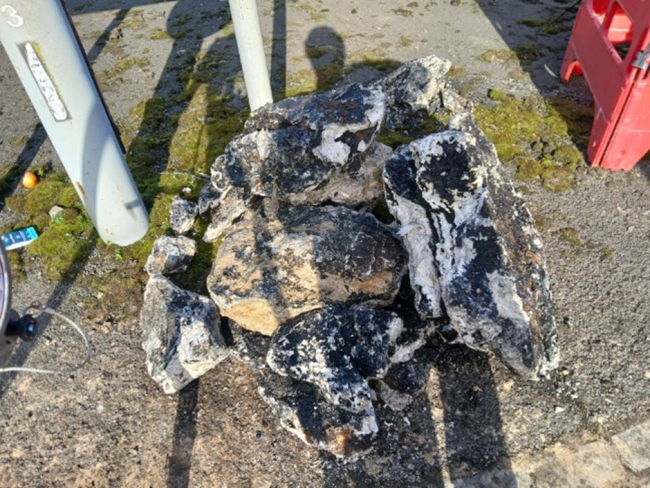
Fats, oils and grease (often referred to as FOGs) are another major contributor. They are frequently poured down kitchen sinks after Sunday roasts or festive meals. Once in the sewer network, they harden and bind with other materials like wet wipes, forming blockages and fatbergs that can cause pollution, flooding, and costly repairs.
For example, around 10 million turkeys are consumed in the UK each Christmas, generating an estimated 5.6 million litres of fat - enough to fill more than 18,500 bathtubs. In 2024 alone, South West Water cleared 6,400 sewer blockages, 75% of which were caused by a combination of FOGs and wet wipes.
What can I do?
Changing consumer behaviour is essential to tackling this issue. Water UK’s Bin the Wipe campaign encourages people to dispose of wet wipes in the bin, rather than flushing them down the toilet.
We can all play our part by following a simple rule: only flush the 3 Ps - pee, poo and paper - and always Bin the Wipe.
Share


