


Views
How vandalism of our sewers damages the environment
Our sewers are major feats of engineering. They are over 150 years old in parts and are buried deep underground. Through them, water companies treat 12 million tonnes of sewage every single day. Sewers can treat all sorts of pollutants, but they cannot handle children’s toys, cement or anything else that is clearly not supposed to be put down a sewer. Sadly, such vandalism is all too common. It’s expensive deal with and can cause dangerous blockages which harms the environment.
Unfortunately, fly tipping is rife in the UK. Earlier this year the Environment Agency spent more than £7 million clearing up 21,000 tonnes of domestic and industrial waste from a field just outside Oxford. But damage such as fly-tipping is not just happening in our country lanes and rural idylls. It is also happening in our sewers. Last year more than half (57%) of pollution incidents involved acts of vandalism or blockages.
We can all do our bit to protect our sewers by not flushing wet wipes or pouring cooking fats and oils down the sink. But water companies also see much more serious abuse of sewers with individuals or businesses disposing of unwanted items and substances by dumping them into our sewer network. Sometimes this is accidental, but often it is deliberate, criminal activity.
What is a pollution incident and how are they regulated?
An official pollution incident happens whenever there is any discharge of sewage or escape of other pollutants from water company assets (such as sewage works) which may be harmful to human health or the quality of the environment.
A pollution incident can be caused by a malfunction at a water or wastewater treatment works, but water company data shows that more than half of pollution incidents are caused by acts of vandalism or blockages.
Managing this issue is a monumental operational challenge and the financial cost of dealing with these blockages and vandalism is significant. Water companies spend at least £200 million every year removing blockages from the sewer network.
Regulatory expectations are now higher than ever, and it gets harder every year for companies to meet their targets.
What is being dumped in our sewers?
We all have a role to play in protecting our sewers by not flushing wet wipes or pouring fats, oils and grease down the sink. But, like our country lanes, our sewers are also being used as a dumping ground which is against the law. Water companies are having to deal with a mind-boggling array of substances and items which have been dumped into the sewer network with no regard for the environmental consequences.
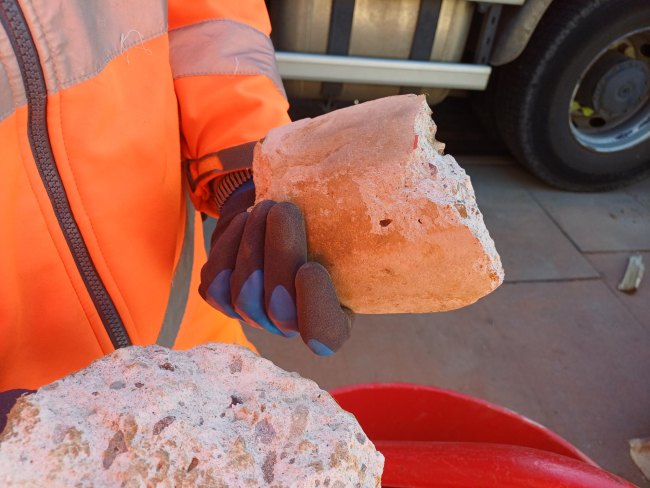
Earlier this year, Thames Water had to clear out the equivalent of 300 bathtubs of concrete from a London sewer. The concrete had hardened in the sewer, meaning teams of engineers had to use ultra-high-pressure water jets to break it down. The company spends an estimated £1.6 million each year just clearing dumped concrete from its network.
Elsewhere in the country, South West Water teams regularly encounter items that should never have entered the network. Discoveries have ranged from a toy baby doll causing a blockage in Exmouth, to an entire sack of rubble stuffed into a sewer. While some of these incidents might sound bizarre, they highlight the daily challenges frontline teams face to keep the network flowing and prevent minor blockages from turning into major pollution events.
Meanwhile, Welsh Water has recently had to involve the police following break-ins and criminal damage at a wastewater treatment works. In recent months, intruders shattered windows and doors, damaged perimeter fencing, and tampered with specialist machinery, even throwing equipment directly into water treatment tanks. The vandalism caused £250,000 worth of damage.
How can we prevent blocked sewers and pollution incidents?
Water companies are responsible for cleaning up whatever enters the sewer network, dedicating considerable time, staff and funding to remove debris, commercial waste, and pollutants.
Clearing avoidable blockages uses up funds raised by customer bills and diverts teams away from proactive maintenance and environmental improvements. If we all take care of what goes down our sinks and loos, water companies can spend less on emergency unblocking and focus those resources elsewhere.
Almost all of these incidents are completely preventable. The sewer is not a bin. By disposing of waste correctly, we can all help protect our local environment and keep our wastewater network flowing.
Share


